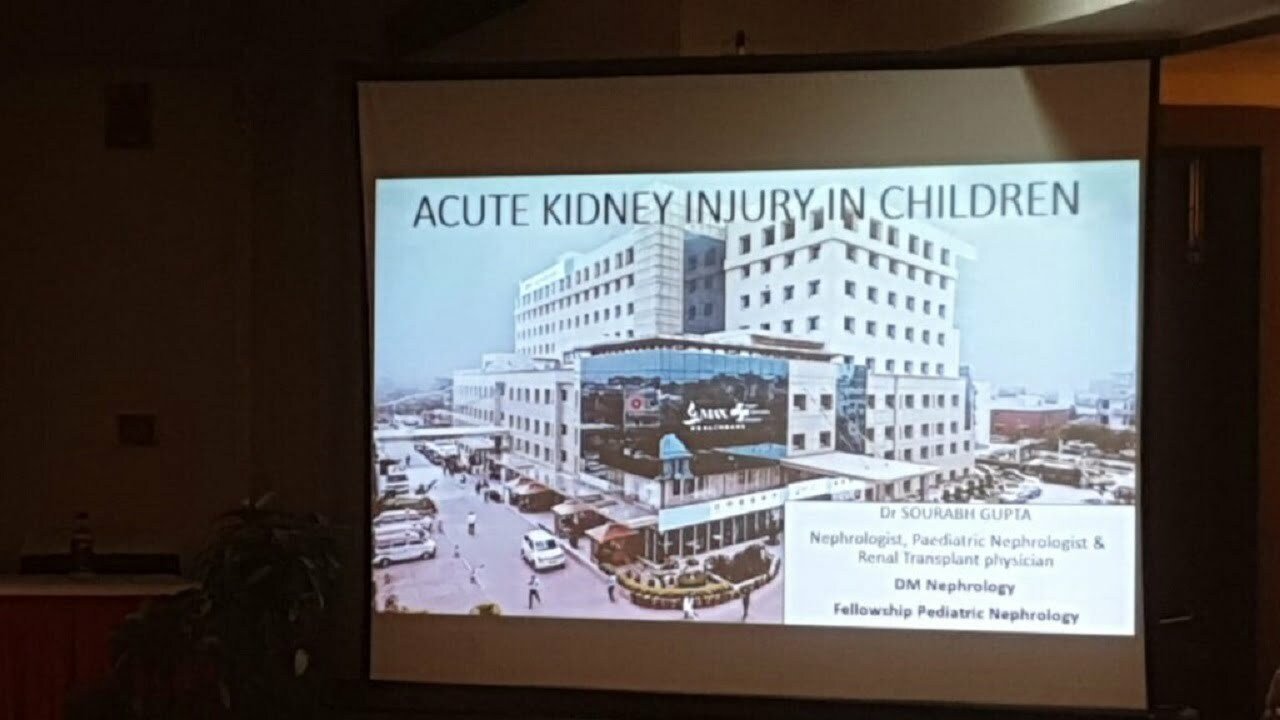
This professional-education summary covers recognition, causes, supportive care and follow-up after acute kidney injury in children.
Recognition
AKI may be identified by changes in serum creatinine, urine output or both. Baseline kidney function is not always known, so clinical context is important.
Management principles
Assessment includes hemodynamic status, infection, obstruction, nephrotoxic exposure and complications. Treatment is directed at the cause with careful fluid, electrolyte and medicine management.
Long-term view
Documentation and follow-up are important because AKI can increase the risk of later chronic kidney disease or hypertension.
Medical information notice: This article is general education only and does not replace assessment by a qualified medical professional. Seek urgent care for a medical emergency.